From Hadrius to YC: Nua Founders Q&A
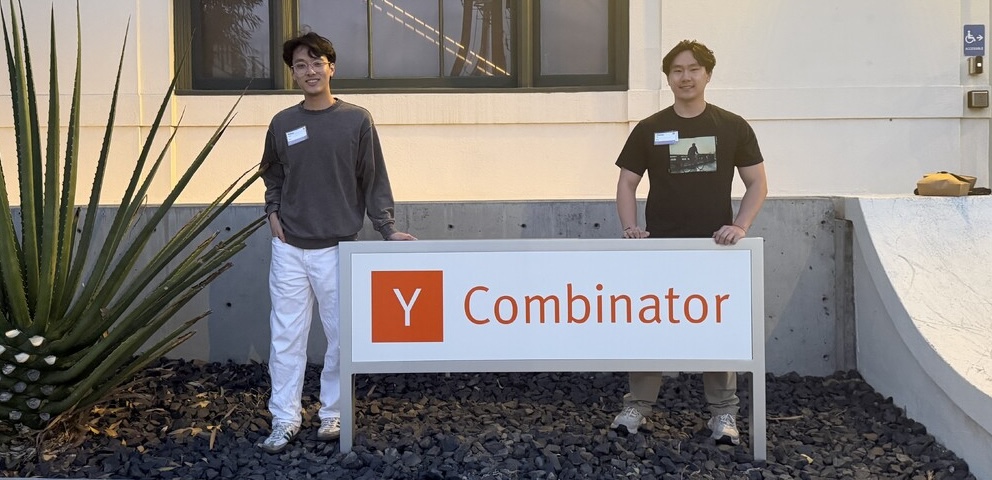
In every engineering job description that Hadrius CTO Allen Calderwood posts, he includes a line designed to self-select for the type of dev who thrives at a startup:
“Looking for someone who wants to be a future founder.”
Come here for a good time, not a long time, it says. Over the course of our history, this criterion has attracted a number of talented people who have gone on to found their own projects.
A few weeks ago, engineers Tommy Qu and Sunny Wan swapped Hadrius’ Manhattan office for a spot in Y Combinator’s Summer 2026 cohort, where they have begun building their own company, Nua. Before they left, we sat down with them to hear the story of how they met at Hadrius, and how building agentic compliance infrastructure played a role in the development of their new project.
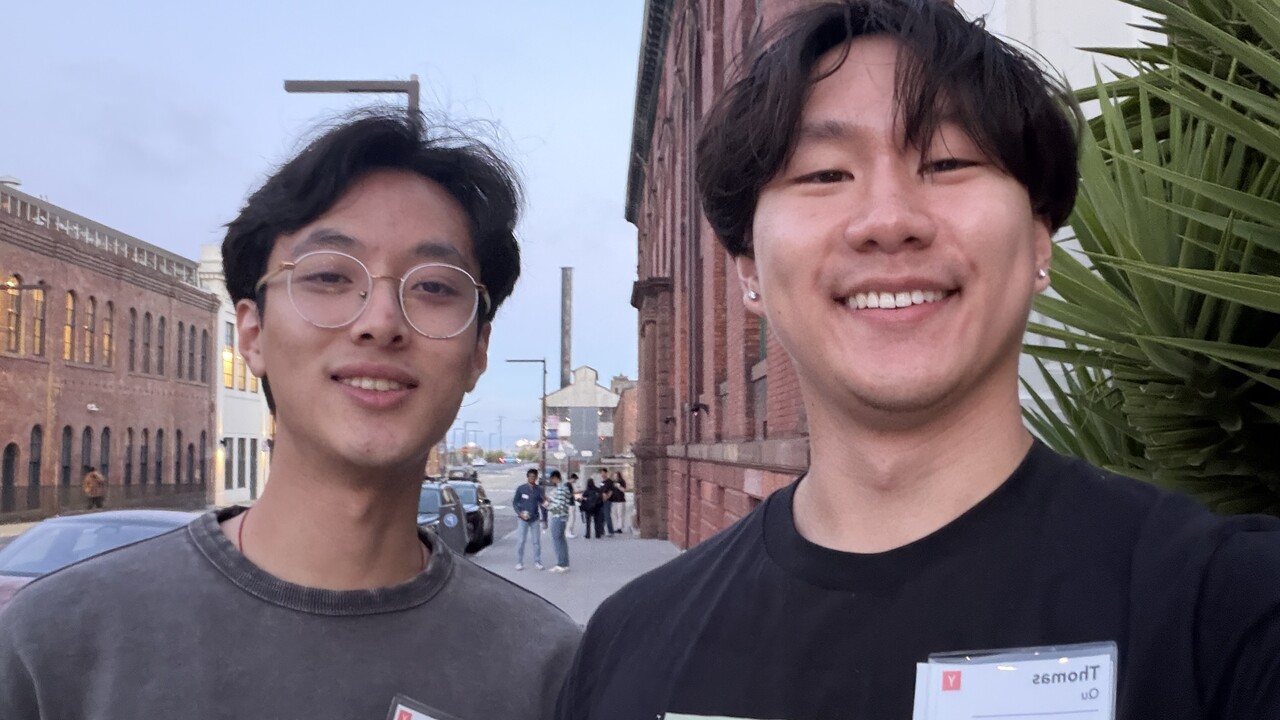
Q: Let's start at the beginning. How did you two end up at Hadrius?
We're both recent grads, so Hadrius has been the first full-time engineering job for both of us. We joined about a week apart a year ago, and we worked under the same team lead.
Q: How did the idea of starting a company come about?
We both joined Hadrius wanting to gain experience and eventually launch our own startup. The job posting literally said they were looking for devs who wanted to be future founders. Somewhere down the line we connected and reached a consensus: let's do something together.
What’s funny is that we’ve never worked on a project together at work — which we actually think is a good thing, because we have different opinions on things and have more variety of experience.
Q: When you started researching markets, what were you looking for?
We were mostly looking for legacy spaces that were slow to adopt new technology. We deliberately didn't want to be in the dev tools space because, even though it's massive, it's incredibly saturated and competitive. A rule of thumb we used: try to build something a developer wouldn't think about.
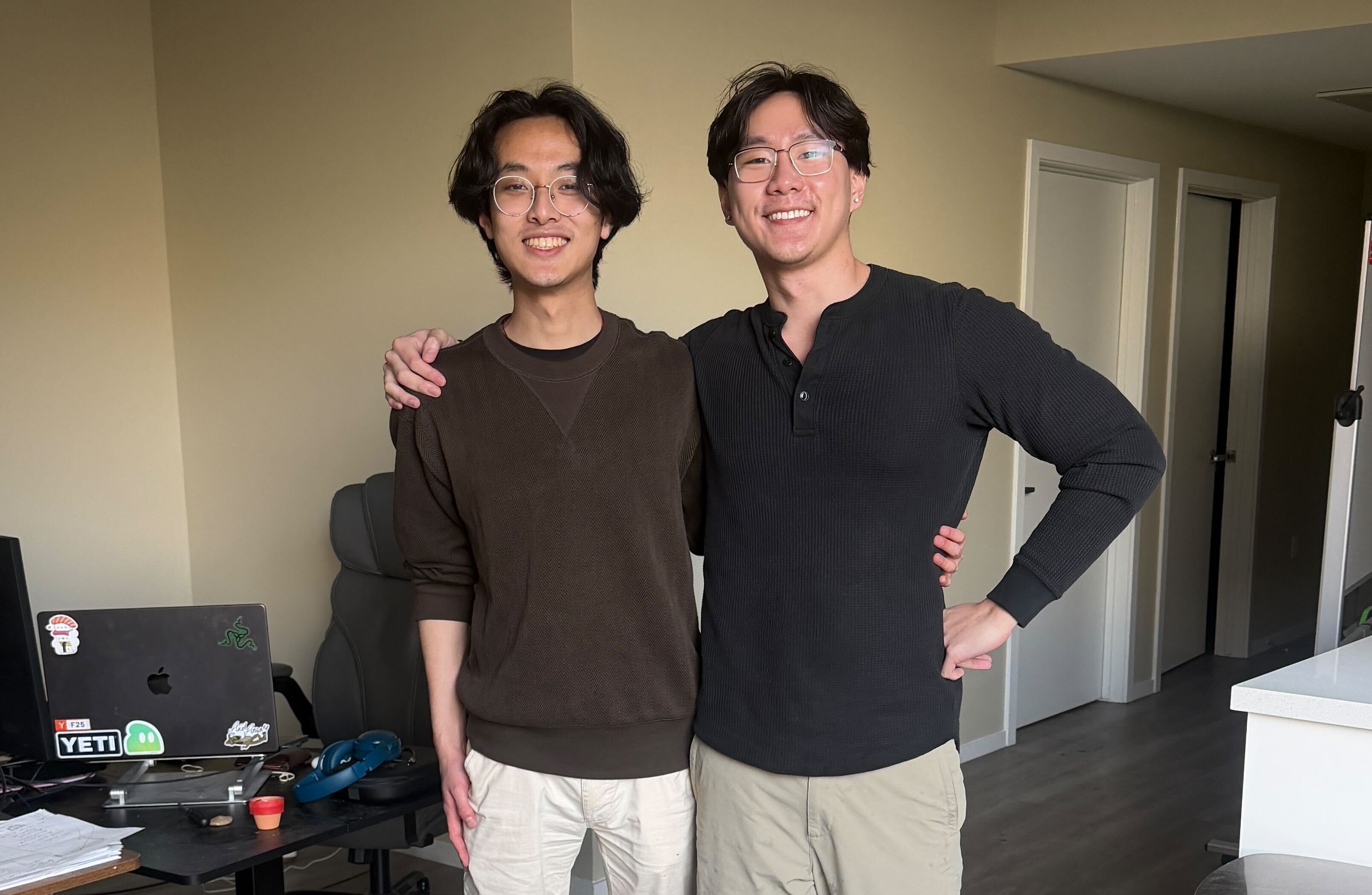
Q: So what is the company building?
We're building an agent that reduces churn by testing for product correctness. The idea grew directly out of our day-to-day experience at Hadrius. As developers, we found writing tests painful — and people are generally bad at writing them. A lot of the job is clicking through click paths, which is very automatable. We figured if we're having this problem, other people are too.
The way we see it now is “SOC 2 for AI.” How do you know an AI is doing what it's supposed to do? AI is inherently stochastic — it's not like an old system where you click a button and get the same result every time. So we see ourselves as an AI verification layer.
Q: What's the company called?
Nua. It's from Chinese mythology; she's the creator goddess who shaped humans out of clay. Originally we were a testing platform spinning up agents to test our platform, so it fit the vibe.
Q: How much of Nua had you built before taking it to YC?
We were very early-stage — maybe two weeks in. We basically applied on an idea plus some mocks. For the application, we spent a good amount of time thinking through how we're different from competitors, what exactly the problem is, and why now. Then we built an MVP, launched it, and recorded a demo, which YC required. The application itself is maybe a 5–10 minute read, but we put 20 to 40 hours into it. Lots of back-and-forth rewriting sections and changing the idea, asking ourselves the hard questions: How are we different? Why now? What's actually solved? Will people pay for it? What's the market? That process was also where we shifted away from testing code-base correctness, which is what everyone else does.
Hadrius showed us a successful example of what a company does and how it sells to customers, which gave us a much better baseline for understanding which questions to ask. One of us has applied to YC before; this time, investing more thought up front actually produced an application that was shorter and sharper.
Q: What has your time at Hadrius meant to you?
Being hands-on the ground at a fast-paced startup — seeing how people prioritize, getting to be right next to the founders. We could pick [CEO] Thomas’s brain about his thought process and how he chooses what he’s working on. You wouldn't get to just talk to the CEO and understand that process at a big corporate company. At a startup you have real ownership. If you want, you can join customer calls, go above and beyond, and effectively become a product manager too. That was a huge contributor to our growth.
Q: Any advice for someone who wants to become a founder?
Just start. If you feel like you're ready, do it. You only learn by doing.
Check out Nua at trynua.dev. If you’d like to join a community of builders and owners (and founders), we’re hiring: hadrius.com/careers
Insights that Move Compliance Forward
Explore new ideas, proven strategies, and technology that’s transforming how firms stay compliant.
Related articles


.png)

We are Hadrius.
Hadrius is built for financial services compliance teams that demand more from their technology. Our privacy-first, policy-aware AI compresses review cycles, eliminates noise, and produces regulator-grade evidence on demand.
One vendor. One system of record.