The Engineering Bug: A Founding Developer Passes the Torch
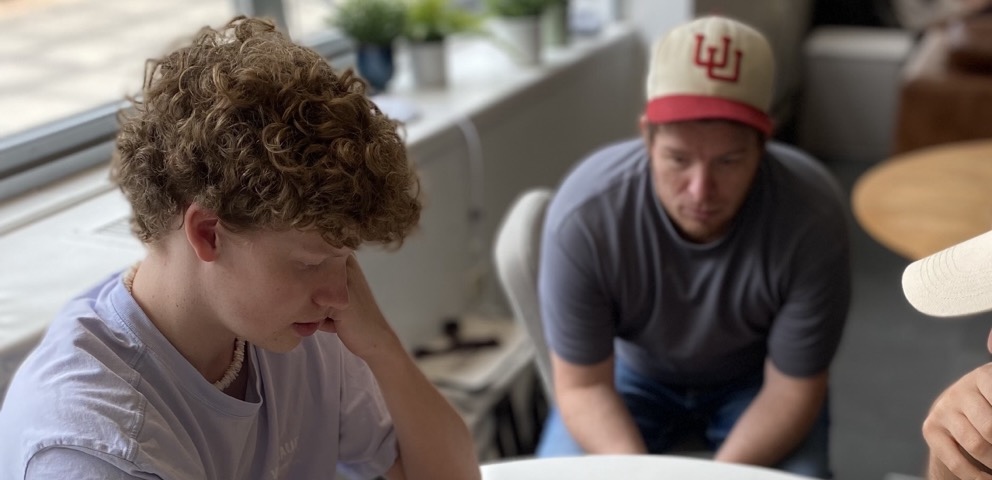
In January 2024, engineer Daniel Van Tassell — DVT to everyone here — became Hadrius' first non-founder employee. This summer, he brought in one of the newest members of our team: his son Jack, 14, who wraps up a two-month internship today before starting 9th grade in the fall.
Thousands of miles removed from their Utah home, Jack has spent his summer at Hadrius working under the close supervision of his father and becoming a regular part of the dev team: shipping code, filling tickets, and even building a flagship archiving integration. Along the way, DVT has watched with pride as his son put to use the engineering skills he began inculcating while Jack was still in the crib — exceeding every expectation along the way.
We sat down with them to talk about how a teenager gets prepared to earn a spot on a real, fast-moving dev team.
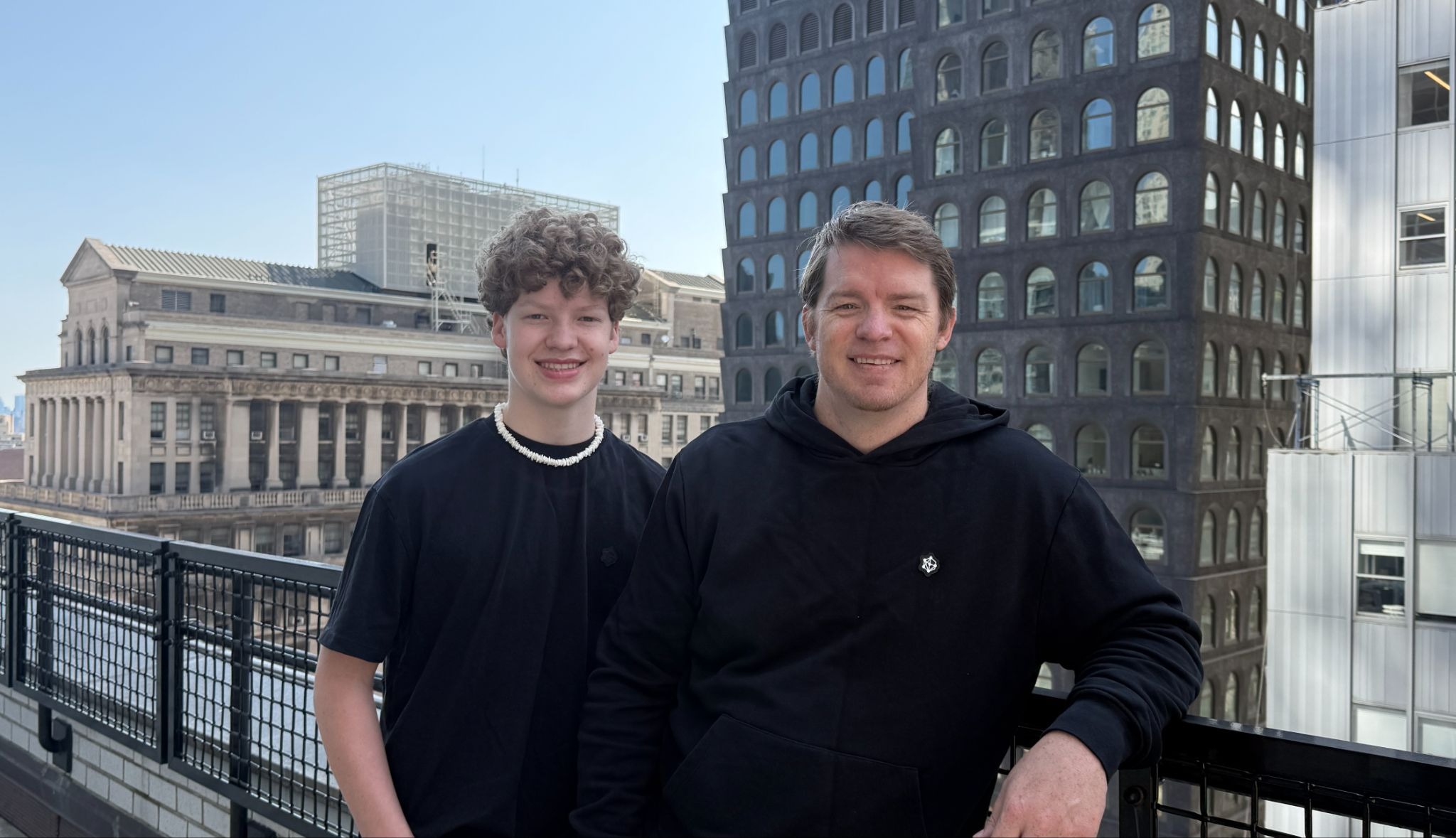
Q: How does a 14-year-old end up interning at a compliance software company?
DVT: It started years ago. Six years old was "here's your own machine, learn to type, build your own computer." Seven, he started modding his own Minecraft server. Eight, he started Python. From there it was just one hour a day, four days a week: let's build a little widget, let's make a website, let's take a class, let's make a mobile app. Little steps, walking forward, for years.
My opinion is that kids can do a lot more than we give them access to. They have the same logic adults have. If you push, they respond.
Q: Was there a specific moment you thought, "he's ready for a real job"?
DVT: Last fall. We were doing our own projects at home — databases, migrations, working through problems — and I kept noticing that the stuff we were doing after school was comparable to tickets the team around me was solving. At some point you hit the thing you can't teach at home, which is that you're rarely ever a solo developer. The real level-up is learning to work with other people.
So I went to [co-founder & CTO] Allen and asked, "How would you feel about a 14-year-old intern?" A few months later, Jack and I moved to Brooklyn for the summer.
Q: Jack, what's your version of how you got into this?
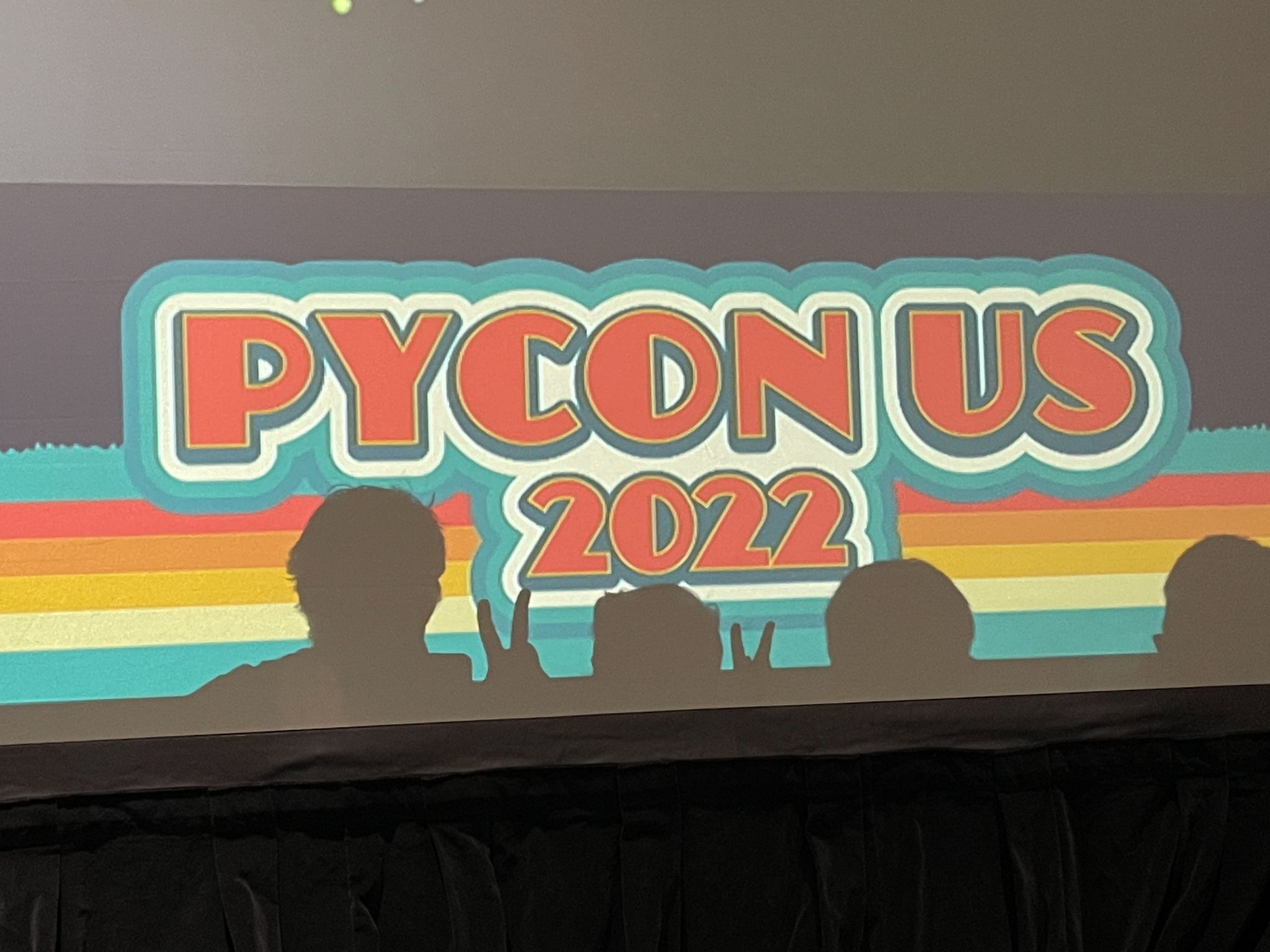
Jack: I've always loved technology, and I've always liked building things and solving problems. You combine those two and you basically get coding. You build something to solve someone else's problem. Construction is the physical version of that; coding is the technological version. These days I pick most of my own projects. It's not just what he thinks I should do anymore — I have enough experience to actually weigh the pros and cons and decide what I want to work on.
Q: This summer was the first time you really started using AI as a coding tool. What's been your takeaway?
Jack: I wasn't allowed to lean on it much at home, so this was the first time I used it seriously — and learning it was one of my goals, because it's not going away. But it's not as simple as clicking yes, yes, yes. If you just approve everything the model wants to do, you're handing over control, and it's almost never fully right. It gets progressively worse, and once it goes bad, you can't fix it, because you don't know what's happening anymore. You have to actually understand what you're building.
DVT: AI's great when you have a plan and you're checking in frequently. The risk is losing the mental model. As long as you keep that, it's just another upgrade in the toolchain, like going from a hammer to a drill press to a CNC machine. The craft underneath doesn't change.
Q: DVT, how much of the summer was you looking over his shoulder?
DVT: At the start, a lot. The planning phase was probably 80% me: "Here's the task; what's your plan?
"If you're stuck for more than half an hour, come find me — but first, what did you try, what did you look up, what did the tools suggest, where exactly are you stuck?"
By the end, it flipped. I gave him a ticket, checked in the next day, and asked what his plan was. He said, "It's done. The PR's up." He'd found the problem, written tests, and put it up for review already. That's the difference between a junior and continuing to learn: the tests, the verification, the changing direction well. If he couldn't take feedback, this summer wouldn't have worked at all.
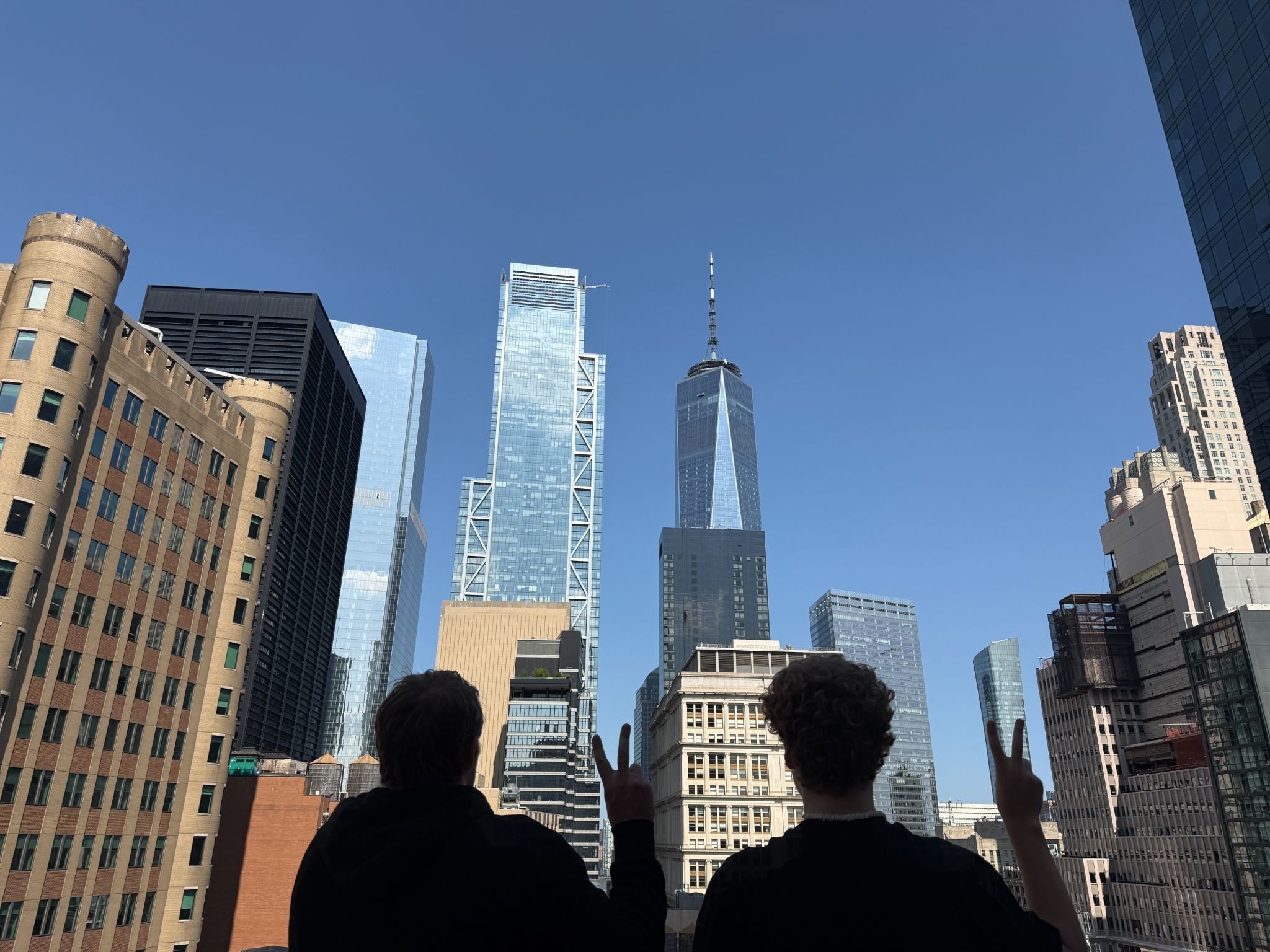
Q: What are each of you most proud of?
Jack: I don't know how high the expectations were for a 14-year-old, but getting past anyone's bar is hard, and I think I did. It's different from something like speaking up at a Python convention as a kid — here, it's a workplace. They expect you to actually work.
DVT: Watching someone grow into their own and fully believe they belong. Everyone carries impostor syndrome. Watching him break through that happened in front of me this summer. That's a proud-dad moment. And then getting out of the way. It's not about me.
Q: Jack, do you want to come back?
Jack: Oh, yeah.
DVT: That's the next conversation: Him making the case himself. “This is what I built, this is what I shipped, and I'd like to return.” Which is exactly the right way to do it.
Jack's third goal for the summer, after ‘learn to use AI’ and ‘learn to work on a team,’ was simply: come back.
Two down. We'll see about the third.
If you'd like to join a team of builders and owners, we're hiring: hadrius.com/careers
Insights that Move Compliance Forward
Explore new ideas, proven strategies, and technology that’s transforming how firms stay compliant.
Related articles

.png)

We are Hadrius.
Hadrius is built for financial services compliance teams that demand more from their technology. Our privacy-first, policy-aware AI compresses review cycles, eliminates noise, and produces regulator-grade evidence on demand.
One vendor. One system of record.